

Echo Chamber
Regardez, lisez, questionnez
LeMuséeVirtuel.ch propose de prolonger l’exploration des thèmes abordés dans les expositions à travers de nouveaux contenus informatifs, interactifs et ludiques.
Quiz, formats audio, œuvres, témoignages, expériences et pistes de réflexion permettent d’aborder chaque sujet sous différents angles, de faire de nouvelles découvertes et d’ouvrir d’autres perspectives.
Pensés notamment pour les jeunes, mais aussi pour les enseignants, les parents et les professionnels, ces contenus invitent à observer, questionner, interpréter et échanger. Une autre manière d’explorer les thèmes des expositions, à son rythme et selon sa curiosité.
Thèmes abordés

Image de soi
L’image de soi désigne la manière dont nous nous voyons et nous représentons. Elle peut englober différents aspects de nous-mêmes : notre apparence, nos goûts, nos qualités, nos caractéristiques personnelles ou encore la place que nous pensons occuper parmi les autres.
Cette image n’est pas figée. Elle se construit et évolue au fil du temps, à travers nos expériences, notre environnement et le regard des autres.

Estime de soi
L’estime de soi concerne la valeur et l’appréciation que nous nous accordons. Elle est liée à la manière dont nous considérons nos qualités, nos capacités, nos réussites, mais aussi nos difficultés.
Elle peut évoluer au cours de la vie et varier selon les expériences, les situations et les contextes. Notre environnement familial, social et culturel peut également jouer un rôle dans la manière dont elle se construit.

Soi et les autres
La manière dont nous nous voyons se construit aussi dans nos relations avec les autres. Leurs regards, leurs réactions, leurs commentaires ou les comparaisons que nous faisons peuvent influencer l’image que nous avons de nous-mêmes.
Au fil de ces interactions, notre regard sur nous-mêmes peut évoluer. L’image que nous avons de nous est ainsi à la fois personnelle et influencée par le monde qui nous entoure.


Qui suis-je vraiment ? Comment me perçois-je ? Comment les autres me voient-ils ?
Tu te poses des questions sur la perception que tu as de toi-même et celle que les autres ont de toi ?
Quiz
L’image que j’ai de moi me ressemble-t-elle vraiment ?
Ce questionnaire vous invite à explorer différentes facettes de votre image à travers une série de questions courtes. Il met en relation la confiance en soi, le regard que vous portez sur vous-même, l’estime personnelle et la manière dont vous vous situez par rapport aux autres et à vous-même.
Pour chaque question, choisissez la réponse qui correspond le mieux à ce que vous ressentez en ce moment. Répondez avec sincérité, sans chercher une réponse idéale : le questionnaire vise avant tout à ouvrir un espace de réflexion personnelle.
L'évolution des canons de beauté à travers le temps
À travers l’histoire, la perception de la beauté s’est façonnée sous l’influence de multiples facteurs : croyances religieuses, traditions culturelles, courants artistiques et figures emblématiques. Chaque époque a vu émerger ses propres idéaux esthétiques, reflétant les aspirations et les valeurs de la société.
L’essor des médias de masse — de la presse illustrée à la télévision, puis aux plateformes numériques — a accéléré la diffusion de ces normes. Les figures publiques, mannequins et célébrités ont joué un rôle central dans la définition des critères de beauté, façonnant les tendances et influençant les perceptions individuelles.


Beauté et Laideur

L’art défie les standards...
Depuis toujours, l’art interroge, sublime et déconstruit l’image de soi.
Là où la Renaissance recherchait l’harmonie des traits et la perfection anatomique, le romantisme, l’expressionnisme ou l’art contemporain ont donné à la difformité, à l’étrangeté et à l’imperfection une puissance esthétique propre. La laideur devient alors langage, expression de l’émotion brute, miroir des tourments intérieurs et dénonciation des diktats de l’apparence.
Dans un monde où la représentation de soi est omniprésente – des peintures classiques aux filtres numériques –, l’art joue un rôle essentiel en questionnant les normes esthétiques et les injonctions visuelles. Il devient le reflet d’une époque dans toute sa complexité et ses contrastes.

Dans Untitled #646, Cindy Sherman assemble numériquement des fragments de son visage pour créer des personnages inédits, explorant la malléabilité de l’identité.
Cindy Sherman
_jpg!PinterestSmall.jpg)
Dans La Reproduction Interdite, Magritte joue avec la perception en représentant un homme vu de dos, qui se reflète pourtant de la même manière dans un miroir. Par ce paradoxe visuel, il interroge l’identité, la réalité et l’illusion, défiant les attentes du spectateur.
René Magritte

Dans Virtual (2020), Jenny Saville superpose des visages fragmentés à l’huile sur toile, explorant la fluidité de l’identité. Par des couches de couleurs et de formes, elle crée une image en mouvement, brouillant les frontières entre figuration et abstraction.
Jenny Saville

Dans Misty and Jimmy Paulette in a Taxi, NYC (1991), Nan Goldin capture l’énergie brute de la scène queer new-yorkaise. Avec une lumière naturelle et une intimité saisissante, elle immortalise deux drag queens dans un taxi, mêlant glamour et réalisme pour révéler leur force et leur vulnérabilité.
Nan Goldin
Et toi, quel est ton idéal de beauté👀?
L'idéal de la beauté varie en fonction des critères physiques et de ce dégage une personne ...
Attribue à chaque photo ci-dessous les adjectifs qui lui correspondent grâce à un système de "drag and drop".
Fais ton choix et découvre comment ta perception de la beauté s'exprime en mots.
Quiz
Et toi, quel est ton idéal de beauté ?
L'idéal de la beauté varie en fonction des critères physiques et de ce dégage une personne ...
Attribue à chaque photo ci-dessous les adjectifs qui lui correspondent grâce à un système de "drag and drop".
Fais ton choix et découvre comment ta perception de la beauté s'exprime en mots.
Reflet : la relation à soi dans un monde d’écrans
L’image de soi est une relation que nous entretenons avec nous-mêmes.
À l’ère numérique, le miroir s’est digitalisé : selfies, filtres, likes. Nous ne nous contentons plus de se voir, nous nous mettons en scène, nous nous perfectionnons, nous cherchons à plaire.
L’authenticité laisse parfois place à une version idéalisée de soi, calibrée pour séduire plutôt que pour refléter la réalité. Chaque interaction virtuelle devient un miroir déformant, où l’approbation des autres façonne notre perception de nous-mêmes.
Sommes-nous devenus dépendants du regard des autres au point d’oublier notre propre regard sur nous-mêmes ? Pouvons-nous exister sans validation numérique ? Derrière l’écran, qui sommes-nous vraiment une fois les filtres retirés ?

Selfies
Depuis toujours, l’humain façonne et capture son image, cherchant à la modeler selon sa propre vision ou celle qu’il veut projeter. De l’autoportrait d’hier au selfie d’aujourd’hui, l’auto-représentation a-t-elle vraiment changé ?
Le selfie n’est-il pas simplement l’héritier moderne de cette quête, démocratisée par la technologie ? En un clic, on choisit l’angle parfait, la pose flatteuse, le filtre idéal. Chaque selfie devient une version maîtrisée de soi, un fragment d’identité sculpté. Pour qui ?
Combien de likes pour exister?
Les likes ne sont plus de simples clics : ils sont devenus une unité de mesure sociale, une validation instantanée, un baromètre de popularité, une jauge d’attention. Plus ils s’accumulent, plus l’estime de soi semble renforcée. À l’inverse, un post qui passe inaperçu peut générer frustration, déception voire un sentiment d’isolement.
Sur les réseaux sociaux, attirer l’attention est un jeu permanent. Chaque like est une preuve de reconnaissance, un signal que l’on existe aux yeux des autres.
Mais jusqu’où va cette quête ? Est-elle motivée par le simple plaisir de partager ou par la pression de se comparer et de rivaliser ? Dans cette compétition virtuelle, où l’on scrute et où l'on se jauge, les likes boostent-ils la motivation ou alimentent-ils le stress ? Et surtout, sont-ils vraiment une mesure fiable de notre valeur ?


Miroir, filtres, likes & IA... Où te situes-tu vraiment ? Fais le test 🚀
Quiz
Entre le miroir, les filtres et le regard des autres, où se trouve mon vrai visage ?
Ce questionnaire explore la relation entre ton image de soi, ton reflet et les représentations de toi-même influencées par les filtres, les écrans et les regards extérieurs. Il interroge la manière dont les images modifient parfois ce que l’on ressent de soi.
Lis chaque proposition et réponds selon ce que tu ressens le plus naturellement. Ne cherche pas à analyser ou à corriger tes réponses : l’objectif est d’identifier des tendances dans ton rapport au miroir, à l’image et à la perception de toi-même.

La perfection ?
Per-fake-tion
Sommes-nous encore capables de distinguer le réel du « fake » ? À l’ère des filtres, des retouches et de l’intelligence artificielle, la frontière s’efface. Grandir dans un monde d’images lissées et remodelées brouille les repères et redéfinit les standards esthétiques.
Aujourd’hui, la perfection se crée en un instant. Un filtre, un clic, et tout change : pommettes sculptées, nez affiné, dents éclatantes, peau sans défaut, taille affinée, jambes allongées, poitrine rehaussée. Mais derrière l’écran, que reste-t-il de nous ?
Les réseaux sociaux imposent un idéal inatteignable où l’apparence devient une obsession. L’intelligence artificielle génère des avatars aux contours parfaits, façonnant une beauté normée et désincarnée. Le décalage entre l’image filtrée, promptée et la réalité alimente complexes et insatisfaction, poussant un nombre croissant de personnes à avoir recours à la chirurgie esthétique.
Avant de céder à cette course effrénée vers une perfection artificielle, une question demeure essentielle : à qui cherchons-nous réellement à plaire ? Derrière chaque transformation, il y a des attentes à comprendre, des pressions à interroger.

.jpg)
-original.jpg)


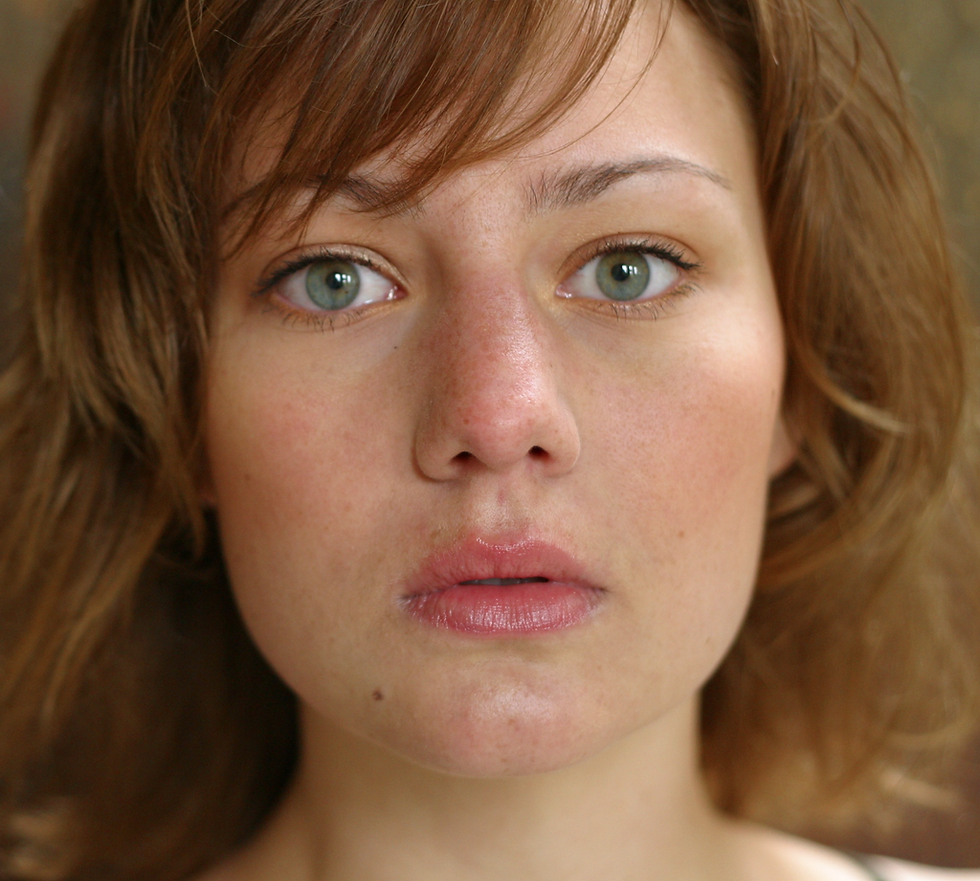
Et toi ? Comment te sens-tu 🤔par rapport aux images de "perfection" que tu vois sur les réseaux sociaux📸?

Commentaires :
10/10
Éblouissant(e) comme toujours ! ✨
OMG, toujours au top 😍🔥! C'est quoi ton secret pour être aussi photogénique ?
10/10
La définition même de la perfection 😍
Teach us your ways, maître du posing 📸🔥!
10/10
Un look qui met tout le monde d’accord 👗🔥
Cette tenue >>>>> la perfection 😍👌! Où as-tu trouvé ça ?
Qui influence qui ?
Nouveaux acteurs du numérique, les influenceurs règnent en maîtres. Ils captent l’attention, façonnent les tendances et dictent, parfois sans même s’en rendre compte, ce qui est « in » ou « out ».
Mesurés à coups de likes, de followers et de commentaires, ils partagent leur quotidien, prodiguent des conseils, mettent en avant des produits et imposent des standards. Leur pouvoir dépasse l’écran : ce qu’ils portent, ce qu’ils disent, ce qu’ils recommandent s’infiltre dans la culture populaire, des conversations de bureau aux cours d’école.
Les attentes de leur audience, la pression des marques, la quête d’engagement… tout cela ne finit-il pas par dicter leurs choix, leurs opinions, leur propre image ? Alors, qui détient réellement le pouvoir ? L’influenceur, qui façonne l’opinion, ou l’influencé, qui, par ses réactions, ses attentes et ses engagements, finit par orienter ceux qui le guident ?
L’influence peut inspirer, rassembler, éveiller les consciences… mais elle nécessite également du recul, un regard critique, la capacité de questionner, de ne pas suivre aveuglément et de se forger une opinion personnelle.


Inclusivité & diversité
Longtemps dictée par des canons rigides, la beauté connaît aujourd’hui une révolution. Inspiré par le mouvement body positivity, ce nouvel élan prône une vision libérée et inclusive. Loin d’un idéal uniforme, il redéfinit les standards en valorisant la singularité et la diversité sous toutes ses formes.


01
Un corps, mille possibilités
Désormais, le corps n’est plus un modèle figé, mais un espace d’expression où la perfection se niche dans l’imperfection. L’inclusivité et la diversité s’imposent dans les médias, la mode, la publicité et les réseaux sociaux, brisant les diktats d’hier pour ouvrir la voie à une représentation plus authentique quelles que soient la taille, la morphologie, la couleur de peau ou l’ identité de genre.

02
A digital and cultural revolution
Les réseaux sociaux et les campagnes de communication embrassent cette évolution en multipliant les messages positifs. Hashtags engagés (#RepresentationMatters, #BodyConfidence, #AllBodiesAreBeautiful), photos non retouchées, mannequins aux physiques variés… autant d’initiatives qui bousculent les codes et encouragent l’acceptation de soi. Les marques elles-mêmes s’adaptent, intégrant de plus en plus de diversité dans leurs campagnes pour mieux refléter la richesse du monde réel.

03
Vers une nouvelle définition de la beauté
Loin d’être une simple tendance, cette reconsidération de la beauté marque une transformation profonde des mentalités. Célébrer chaque corps, c’est déconstruire les normes limitantes pour réinventer un idéal plus humain, plus inclusif, et surtout, plus libre.
Quiz
Que raconte mon corps de moi, au-delà des mots ?
Ce questionnaire propose une exploration de ton rapport au corps à travers plusieurs dimensions essentielles de l’image de soi. Il aborde la perception physique, le dialogue intérieur, l’expression personnelle, la confiance, la reconnaissance sociale et le ressenti corporel.
Réponds à chaque question en choisissant l’option qui te ressemble le plus aujourd’hui. Prends le questionnaire comme un moment d’observation personnelle : avance à ton rythme et laisse-toi guider par ta première impression.
Troubles
L’image de soi est une construction complexe, influencée par nos expériences, notre environnement, nos émotions et le regard des autres. Elle évolue au fil du temps et peut varier selon les périodes de la vie, les situations et les contextes.
Pour certaines personnes, le rapport à leur apparence ou à leur propre image peut devenir une source d’inconfort ou de questionnement. La manière dont on se voit peut alors avoir une incidence sur l’estime de soi, le rapport au corps ou encore sur la façon dont on se présente aux autres.
Dans un environnement où circulent de nombreux modèles, normes et représentations du corps et de l’apparence, notre perception de nous-mêmes peut aussi être influencée par ce que nous voyons et par ce à quoi nous nous comparons. Troubles alimentaires, dysmorphophobie ou difficultés liées à l’image de soi sont autant de réalités qui montrent à quel point notre rapport à notre propre image peut être complexe et changeant.

Troubles alimentaires : un rapport conflictuel au corps
Les troubles alimentaires, tels que l’anorexie, la boulimie ou l’hyperphagie, traduisent une souffrance profonde liée à l’image de soi et à la perception du corps. Marqués par des comportements alimentaires extrêmes et une quête de contrôle, ils révèlent souvent un mal-être ancré dans la peur de ne pas correspondre à un idéal, le rejet de son propre reflet
Anxiété sociale
Peur intense du jugement, du regard des autres, de ne pas être à la hauteur, l’anxiété sociale s’accompagne d’un sentiment d’infériorité et d’une hyperconscience de soi, pouvant mener à l’évitement des interactions et à l’isolement.
État de mal-être, dépression & idées suicidaires
Une mauvaise image de soi, une perception négative de soi ou une faible estime de soi peuvent être des facteurs contributifs au développement de symptômes dépressifs. Associés à d'autres facteurs de stress ou de détresse émotionnelle, ils peuvent également conduire à des idées suicidaires et à la dépression.
Parlez-en
L'image de soi est complexe et peut être influencée par de nombreux facteurs. Les troubles mentionnés ici peuvent également être liés à d'autres problèmes et avoir des conséquences graves sur la santé mentale et physique.
Si vous ou quelqu'un que vous connaissez présente des signes de détresse émotionnelle, de troubles de l'alimentation, d'anxiété, de dépression ou autre, ne restez pas seul.e. Parlez-en ! Demandez de l’aide ! Il existe des professionnels et des ressources pour aider à gérer ces défis.
Perception altérée
D’autres troubles peuvent également être liés à une perception altérée de soi. La dysmorphophobie, par exemple, est une obsession pour un défaut imaginaire ou exagéré du corps entraînant une détresse importante et des comportements compulsifs. La dissociation, quant à elle, se manifeste par un sentiment de détachement vis-à-vis de soi-même, comme si l’on était étranger à son propre corps ou à son existence.
Savez-vous vous écouter ? ✨
Anxiété, stress, surcharge numérique… Reconnaissez-vous les signaux ? 💡
🌍 Quand le poids du digital devient trop lourd, savez-vous faire une pause ? Osez-vous en parler, demander du soutien ?
Quiz
Qui suis-je lorsque je me regarde vraiment ?
Ce questionnaire t’invite à explorer la manière dont tu perçois ton corps, ton apparence et ta présence dans la vie quotidienne. Il met en lumière différentes dimensions de la perception de soi, entre ressenti intime, regard porté sur soi et relation au corps.
Lis chaque affirmation et choisis la réponse qui correspond le mieux à ton expérience spontanée. Il n’y a pas de bonne ou de mauvaise réponse : réponds simplement de façon honnête et intuitive pour obtenir un aperçu global de ta perception de toi-même.
Et encore…


Témoignages
Quelques témoignages de jeunes sur leur rapport à l'image de soi dans le contexte des thèmes abordés dans l'exposition.

Podcasts
Quelques podcasts qui abordent des sujets liés à l'image de soi
01
02
03
04

L’image de soi, l’amour propre et la réputation

"Mille Pertuis", de Julia Thévenot : une invitation à être à l'écoute de son corps
Expérience sociale : le physique ça compte - CRASHTESTTataki
Chirurgie esthétique, faut qu'on en parle - YADEBAT
Tataki
Anorexie, boulimie : quand la nourriture est ton ennemie - YADEBAT
Tataki
Est-ce que tu mets des filtres sur tes photos Insta ? Tataki
Instagram mauvais pour ta santé mentale ? - YADEBAT
Tataki
Est-ce qu'il faut être viril pour plaire ? - YADEBAT
Tataki

Contes & Fables
Les contes et les fables ont toujours servi à explorer les complexités de la nature humaine et à transmettre des enseignements moraux. Au cœur de ces récits intemporels évoluent des personnages et des animaux fascinants, dont les destinées se tissent souvent autour de thèmes universels. L'image de soi, l'apparence et le rapport aux autres y sont fréquemment abordés par les conteurs. Ces histoires intemporelles demeurent une source inépuisable d'inspiration, invitant à la réflexion sur la perception de soi au sein de la société.
Ce conte classique d'Andersen raconte l'histoire d'un cygne qui se trouve laid parce qu'il ne ressemble pas aux canetons. Finalement, il découvre sa véritable identité et prend conscience de sa beauté intérieure.

Cette histoire des frères Grimm met en scène un miroir magique qui montre aux gens leur propre image intérieure, révélant que la beauté intérieure est plus importante que l'apparence extérieure.

Le Miroir Magique
Andersen raconte l'histoire d'un oiseau chanteur, né avec une apparence peu attirante, mais dont le chant est si magnifique qu'il finit par être apprécié pour sa voix plutôt que pour sa beauté.

Le Rossignol
Cette histoire célèbre raconte comment Belle perçoit au-delà de l'apparence de la Bête pour découvrir la bonté qui se cache en elle.

La Belle et la Bête
Dans cette fable d'Esope, une petite souris sauve la vie d'un puissant lion. Elle découvre que même les plus grands peuvent avoir besoin d'aide, indépendamment de leur taille ou de leur force.

Le Lion et la Souris
Cette fable d'Andersen met en évidence comment la vanité et la peur d'être différent peuvent influencer la perception de soi et de la réalité.

Les Habits Neufs de l'Empereur
Ce conte indien raconte l'histoire d'une jarre fissurée qui se sentait inutile, car elle perdait de l’eau sur le chemin du puits. Son propriétaire, un vieil homme sage, lui montra que grâce à ses fuites, des fleurs avaient poussé le long du sentier. La jarre comprit alors que ses imperfections avaient embelli le monde sans qu’elle ne s’en rende compte. Ainsi, elle accepta ses défauts et trouva sa véritable valeur.

La Jarre Abîmée
Dans cette fable de Jean de La Fontaine, une grenouille rencontre un bœuf et, envieuse de sa taille imposante, tente de gonfler son propre corps pour lui ressembler. Elle éclate en essayant de devenir ce qu'elle n'est pas. La morale de cette fable nous enseigne que chacun doit accepter sa nature et éviter de chercher à être ce qu'il n'est pas. Elle met en garde contre l'envie et le désir de paraître plus grand ou plus important qu'on ne l'est réellement.

La Grenouille et le Bœuf
Ils en parlent


Quand l’image sublime la réalité… sans la déformer !
#BeYourself
Les filtres et retouches ont toujours existé, de la peinture classique aux photographies d’aujourd’hui. Mais lorsque l’artifice prend le dessus sur l’authenticité, l’essence même du sujet s’efface.
Votre singularité est précieuse. Osez la montrer sans excès de correction numérique.

Prenez le contrôle de votre temps !
#OfflineMatters
L’équilibre, c’est la clé ! Fixez des limites : entre temps sur les réseaux, moments avec les autres, et instants dans la réalité.
Déconnecter, respirez, vivez !

Ne vous laissez pas aspirer ! Inspirez-vous !
#InspirationDigitale
Un feed positif, c’est un esprit libre ! Partagez vos passions, vos talents, vos découvertes. Suivez des comptes qui éveillent la curiosité, stimulent la créativité et vous enrichissent.
Façonnez votre univers digital comme un espace d’inspiration, et non un miroir déformant !

Le respect en ligne, un art à cultiver !
#ÉthiqueNumérique
Chaque mot, chaque interaction laisse une empreinte. Échangez avec bienveillance, bannissez la cyberintimidation et les commentaires négatifs.
Même derrière un écran, les mots et les actions ont un impact réel sur nos propres émotions et celles des autres.

Réel vs Virtuel : Ne confondez pas le reflet avec l’original !
#Esprit Critique
Comme un trompe-l'œil, le numérique peut séduire, mais il ne remplace pas la réalité.
Ne vous trompez pas de règle du jeu : c’est hors ligne que se joue la vraie vie

Publier, c’est graver !
#Trace Numérique
Avant de poster, interrogez-vous : Quelle résonance ? Quelle portée ?
Maîtrisez votre image, Protégez votre vie privée —car une fois dévoilée, une information est rarement effaçable.